





Working in a workshop can be one of the most rewarding, productive, and creative activities there is. However, it can also become a high-risk environment if proper safety measures are not implemented.
I've learned something fundamental over time: serious workplace accidents can be avoided in your workshop simply by taking these precautions. And this isn't just theory; it's a reality that anyone who has worked with power tools, machinery, or flammable products understands very well.
Because yes, even when we think we have mastered the environment, even experts can fall into carelessness.
And that's where it all begins.

The real importance of accident prevention in the workshop
When we talk about safety in the workplace, we're not just talking about rules. We're talking about protecting our physical well-being, our health, and our professional future.
Many accidents happen because of overconfidence. We think, "It'll only be a moment" or "I've done this a thousand times." But experience has confirmed that the key is to always keep each point in mind, to be alert and aware of these tips, before starting to work.
Prevention is not optional. It's a discipline.
Main risks in a workshop
To prevent accidents, we must first identify the most common hazards:
🔧 Mechanical risks
- Cuts with saws and blades.
- Blows with hand tools.
- Entrapments with machinery.
⚡ Electrical hazards
- Damaged cables.
- Overload of electrical outlets.
- Lack of grounding.
🔥 Fire risks
- Use of flammable solvents.
- Accumulated dust.
- Sparks near combustible materials.
🫁 Respiratory risks
- Dust inhalation.
- Chemical vapors.
- Lack of ventilation.
The problem isn't being unaware of these risks. The problem is underestimating them.

Essential Personal Protective Equipment (PPE)
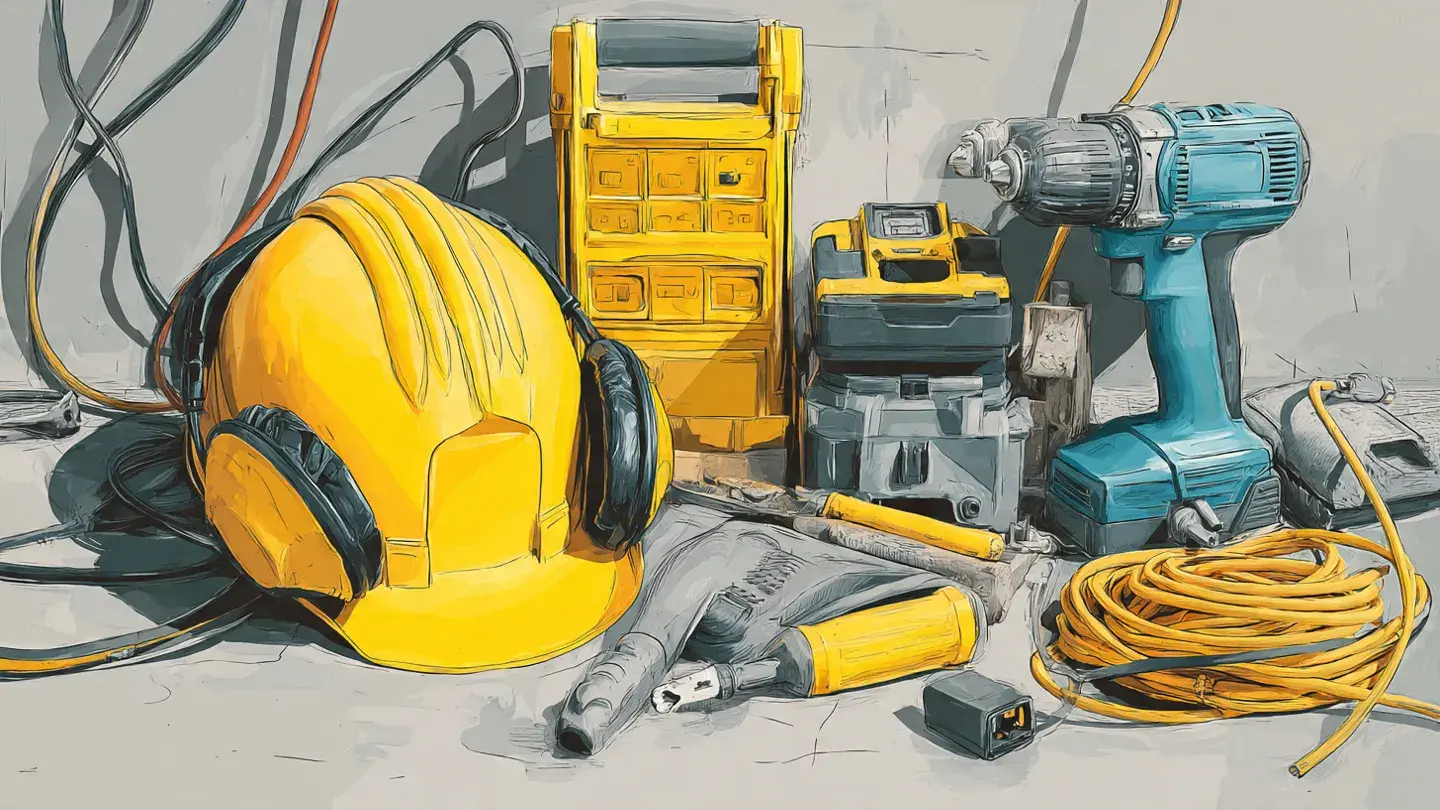
If we truly want to protect ourselves from accidents in our workshop, the use of personal protective equipment is non-negotiable.
🥽 Safety glasses
They protect against projected particles, dust, and fragments.
🧤 Protective gloves
Especially useful against cuts, abrasions, and chemicals.
😷 Face masks or respirators
Essential in work with dust or fumes.
👂 Hearing protection
In workshops with noisy machinery.
👟 Safety footwear
Avoid injuries from falling heavy objects.
It doesn't matter how much experience you have. I'll repeat something I consider essential: even experts can make mistakes.

Order and cleanliness: the most underestimated safety measure
A messy workshop is an accident waiting to happen.
- Tools out of place.
- Cables crossing passageways.
- Uncleaned spills.
- Wood or metal fragments on the floor.
Orderliness reduces the risk of trips, falls, and distractions. And when we talk about workplace safety, distractions are silent enemies.

Safety with power tools
Power tools deserve a special section.
Before using them:
- Check its status.
- Check cables and plugs.
- Check that the guards are installed.
During use:
- Maintain a stable posture.
- Don't force the tool.
- Turn off before adjusting.
After:
- Disconnect.
- Clean.
- Save properly.
I insist because it is vital: the key is to always keep each point in mind, to be awake and aware of these tips, before starting to work.
Safety begins before the machine is switched on.
Training and a preventative mindset
Safety in the workshop is not just physical, it's mental.
- Don't work when you're tired.
- Don't work in a hurry.
- Do not work under stress.
- Do not work distracted.
I've seen how overconfidence leads to avoidable mistakes. That's why I repeat a truth that shouldn't be forgotten: serious workplace accidents in your workshop can be avoided simply by taking these precautions.
It's not about fear. It's about awareness.

Ventilation and environmental control
A safe workshop should also have:
- Good air circulation.
- Dust extractors.
- Adequate lighting.
- Visible signage.
Poor lighting, for example, increases measurement errors and incorrect cuts.
Prevention is also part of space design.
Emergency plan in the workshop
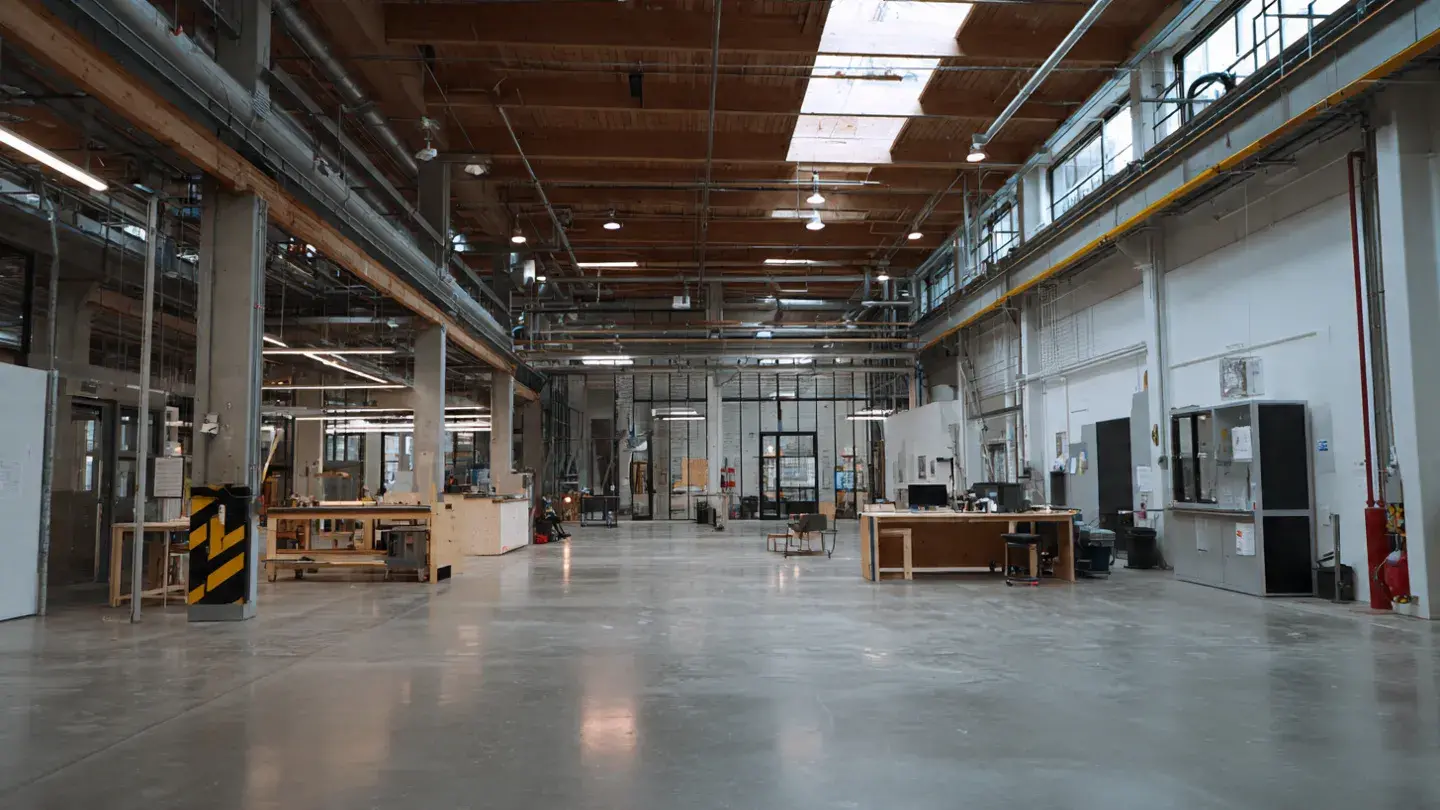
Every workshop must have:
- Accessible fire extinguisher.
- First aid kit.
- Clear exit.
- Emergency numbers visible.
Safety is not just about avoiding accidents, but about being prepared if they happen.
Conclusion: The discipline that saves lives
Safety in the workshop is not an exaggeration. It's a responsibility.
I have found that when we maintain a conscious attitude, when we repeat protocols even if they seem basic, when we don't let our guard down... accidents decrease radically.
Because yes, even experts can make mistakes.
But it is also true that serious workplace accidents can be avoided in your workshop simply by taking these precautions.
And never forget this:
The key is to keep each point in mind at all times, to be alert and aware of these tips, before starting to work.
The difference between a productive workshop and a dangerous workshop is not in the tools.
It's in the mindset.